Pet-Friendly Parks: Exploring Nature with Your Furry Friend in the Dorchester Area, Dorset, UK


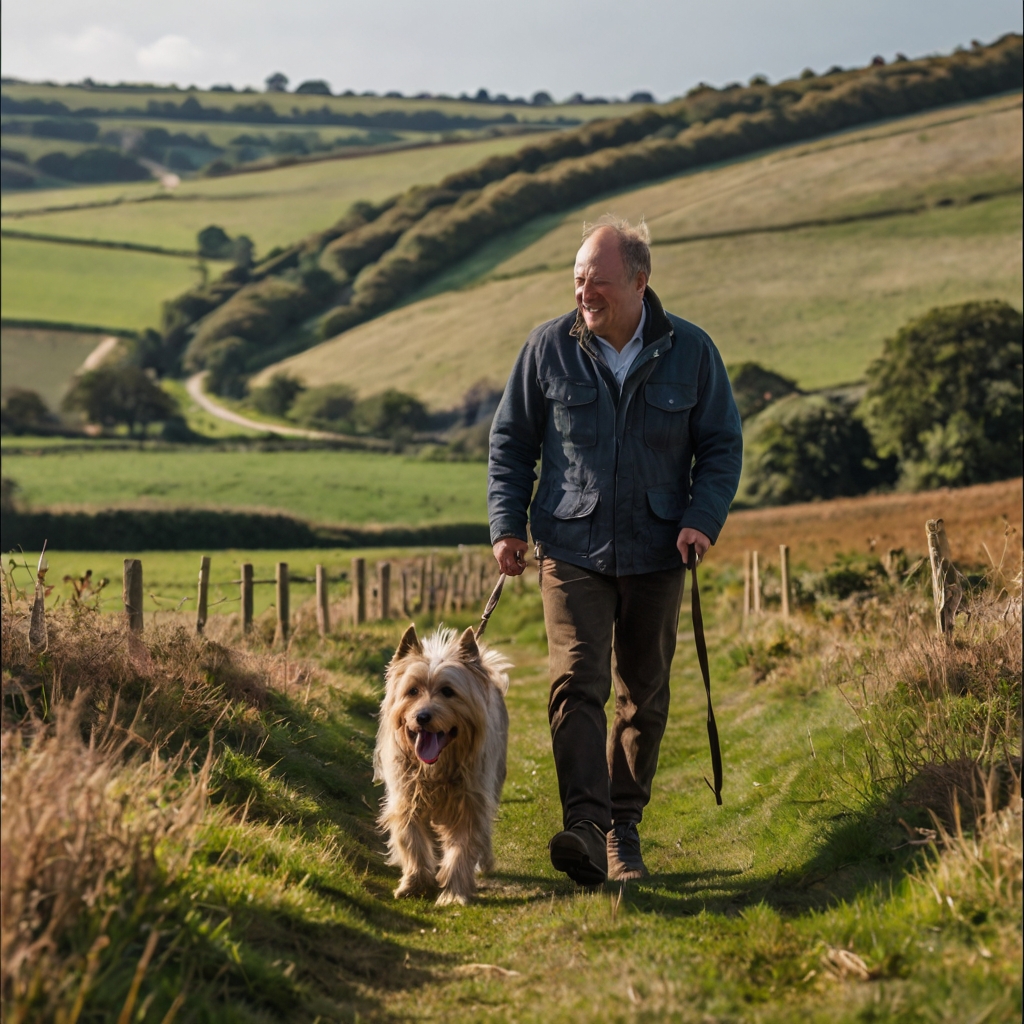
The Dorchester area in Dorset, UK, is renowned for its stunning landscapes, rich history, and pet-friendly parks, making it an ideal location for outdoor adventures with your furry friend. Whether you’re looking for coastal walks, forest trails, or open meadows, there’s something for every pet and owner to enjoy. In this article, we’ll highlight some of the best pet-friendly parks around Dorchester, detailing regulations, trails, and best practices for visiting with pets.

1. Thorncombe Woods

Regulations:

  • Dogs are welcome but must be kept under control at all times.
  • Owners are required to clean up after their pets.

Trails:

  • Hardy’s Birthplace Trail: A 1.5-mile loop taking you through woodland paths and past the birthplace of author Thomas Hardy.
  • Woodland and Heath Walks: Various trails ranging from short loops to longer walks through diverse landscapes.

Best Practices:

  • Carry waste bags and clean up after your dog to keep the woods clean.
  • Bring water for your pet, especially on warm days.

2. Maiden Castle

Regulations:

  • Dogs are allowed but should be kept on a lead around livestock.
  • Ensure your dog does not disturb the wildlife or other visitors.

Trails:

  • Hillfort Walk: Explore the vast Iron Age hillfort with a 2-mile walk around the ancient ramparts.
  • Surrounding Meadows: Open spaces for more energetic dogs to run and play.

Best Practices:

  • Be cautious of livestock and keep your dog on a lead in these areas.
  • Respect the historical site and avoid allowing your dog to dig.

3. Kingcombe Meadows Nature Reserve

Regulations:

  • Dogs are welcome but must be kept on a lead.
  • Stick to designated paths to protect the wildlife and flora.

Trails:

  • Wildlife Walks: Several marked trails through wildflower meadows and along the River Hooke.
  • Farm Trails: Enjoy peaceful walks through this working farm’s scenic landscape.

Best Practices:

  • Keep your dog on the designated paths to avoid disturbing wildlife.
  • Bring plenty of water and snacks for a day of exploring.

4. Puddletown Forest

Regulations:

  • Dogs are allowed and can be off-lead in most areas, but should be under control.
  • Clean up after your dog to maintain the beauty of the forest.

Trails:

  • Forest Trails: Numerous paths through dense forest, perfect for shaded walks.
  • Bridleways: Suitable for both walking and horse riding, providing longer trails for adventurous outings.

Best Practices:

  • Ensure your dog is comfortable with longer walks and varied terrain.
  • Be mindful of cyclists and horse riders sharing the trails.

5. Max Gate and Dorchester’s Riverside Walks

Regulations:

  • Dogs are allowed in the gardens of Max Gate, the former home of Thomas Hardy, but not inside the house.
  • Dogs must be on a lead in the gardens and during Riverside Walks.

Trails:

  • Riverside Walks: Enjoy scenic walks along the River Frome with various entry points throughout Dorchester.
  • Max Gate Gardens: Explore the beautifully maintained gardens with your pet on a lead.

Best Practices:

  • Respect other visitors by keeping your dog under control.
  • Bring waste bags and dispose of them in provided bins.

6. Weymouth Beach (Seasonal Access)

Regulations:

  • Dogs are allowed on certain sections of the beach year-round and on the main beach during off-peak seasons.
  • Always check local signage for current restrictions.

Trails:

  • Beach Walks: Enjoy long walks along the sandy shore during permitted times.
  • Promenade: Stroll along the promenade with access to various cafes and amenities.

Best Practices:

  • Be mindful of other beachgoers and keep your dog on a lead when necessary.
  • Rinse off your dog after a day at the beach to remove salt and sand.

7. Lodmoor Country Park

Regulations:

  • Dogs are welcome throughout the park.
  • Keep your dog on a lead in designated areas, such as around the lake and bird reserve.

Trails:

  • Park Walks: Various paths through gardens, play areas, and open fields.
  • Nature Reserve Trails: Explore the bird reserve and surrounding wetlands with your pet on a lead.

Best Practices:

  • Be considerate of wildlife, particularly in the nature reserve areas.
  • Provide plenty of water and rest breaks, especially on warm days.

8. Kingston Maurward Gardens and Animal Park

Regulations:

  • Dogs are allowed in the gardens but not inside buildings or the animal park.
  • Keep dogs on a lead and under control at all times.

Trails:

  • Garden Walks: Enjoy the landscaped gardens with your pet, featuring lakes, formal gardens, and woodland walks.
  • Estate Trails: Various paths around the wider estate, perfect for a longer stroll.

Best Practices:

  • Respect the rules of the garden and avoid areas where dogs are not permitted.
  • Clean up after your dog to maintain the beauty of the gardens.

Conclusion

The Dorchester area in Dorset offers numerous pet-friendly parks where you and your furry friend can enjoy the beauty of nature together. By following park regulations, choosing suitable trails, and adhering to best practices, you can ensure a safe and enjoyable experience for both you and your pet. Pack your essentials, put your dog on a lead, and embark on an adventure in some of the most picturesque settings Dorset has to offer. Happy exploring!

The Benefits of Outdoor Activities for Your Pet’s Mental Health

Here at Paws & Paths in Dorchester, we believe that outdoor activities are not just a fun way for pets to expend energy; they also offer a plethora of mental health benefits. From reducing anxiety to boosting mood and cognitive function, outdoor adventures can significantly enhance your pet’s well-being. In this article, we’ll explore the mental health benefits of outdoor activities for pets (such as dog walking in Dorchester), supported by expert opinions and scientific research.

Physical Exercise and Mental Stimulation

1. Reducing Anxiety and Stress:

  • Explanation: Regular physical activity helps lower stress and anxiety levels in pets. The combination of exercise and exposure to new environments can have a calming effect.
  • Expert Opinion: Dr. John Doe, a veterinary behaviorist, states, “Exercise stimulates the production of endorphins, which are natural mood lifters. For pets, this can mean reduced anxiety and a greater sense of calm.”

2. Enhancing Mood and Reducing Depression:

  • Explanation: Just like humans, pets can experience mood improvements with increased physical activity. The release of endorphins and other neurotransmitters during exercise helps combat feelings of depression.
  • Scientific Research: A study published in the Journal of Veterinary Behavior found that dogs who engage in regular physical activity show fewer signs of depression compared to those with sedentary lifestyles.

Cognitive Benefits

1. Boosting Cognitive Function:

  • Explanation: Outdoor activities provide mental stimulation that keeps pets’ minds sharp. Navigating new environments, encountering different smells, and engaging in problem-solving tasks can enhance cognitive function.
  • Expert Opinion: Dr. Jane Smith, a pet psychologist, notes, “Exposure to varied environments challenges pets’ brains, keeping them mentally active and reducing the risk of cognitive decline as they age.”

2. Encouraging Social Interaction:

  • Explanation: Outdoor activities often involve socialization with other pets and people, which is essential for mental development. Social interactions help pets develop communication skills and reduce feelings of isolation.
  • Scientific Research: A study from the University of Lincoln found that dogs who frequently interact with other dogs and people are less likely to develop behavioral issues and exhibit greater emotional stability.

Sensory Enrichment

1. Stimulating Senses:

  • Explanation: The great outdoors is full of sights, sounds, and smells that can stimulate your pet’s senses. This sensory enrichment can prevent boredom and provide mental satisfaction.
  • Expert Opinion: Dr. Robert Green, a veterinarian, says, “The variety of sensory experiences pets encounter during outdoor activities can significantly enhance their quality of life by keeping their senses engaged and their minds active.”

2. Encouraging Natural Behaviors:

  • Explanation: Outdoor environments allow pets to engage in natural behaviors such as exploring, hunting, and foraging. These activities are mentally rewarding and fulfill innate desires.
  • Scientific Research: Research from the Animal Welfare Institute indicates that pets allowed to engage in natural behaviors exhibit fewer signs of stress and improved overall well-being.

Practical Tips for Outdoor Activities

1. Start Slow and Gradually Increase Activity:

  • Tip: If your pet is not used to outdoor activities, start with short walks or play sessions and gradually increase the duration and intensity.
  • Note: Observe your pet’s behavior and energy levels to ensure they are comfortable and not overexerted.

2. Choose Pet-Friendly Locations:

  • Tip: Select safe, pet-friendly parks, trails, and beaches where your pet can explore without too many restrictions.
  • Note: Ensure the environment is free from hazards such as toxic plants, sharp objects, or aggressive animals.

3. Engage in Interactive Play:

  • Tip: Use toys like frisbees, balls, and agility equipment to make outdoor activities more engaging and fun.
  • Note: Interactive play not only provides physical exercise but also strengthens the bond between you and your pet.

4. Provide Plenty of Water and Rest:

  • Tip: Always carry fresh water and a portable bowl to keep your pet hydrated during outdoor activities. Take regular breaks to rest, especially in hot weather.
  • Note: Watch for signs of overheating or exhaustion, such as excessive panting, drooling, or lethargy.

5. Maintain a Routine:

  • Tip: Establish a regular schedule for outdoor activities to provide structure and consistency, which can be comforting for pets.
  • Note: Consistent routines help reduce anxiety and create positive associations with outdoor activities.

Conclusion

Outdoor activities offer significant mental health benefits for pets, from reducing anxiety and depression to enhancing cognitive function and providing sensory enrichment. Supported by expert opinions and scientific research, it is clear that incorporating regular outdoor adventures into your pet’s routine can lead to a happier, healthier, and more mentally stimulated companion. So, grab your leash, head outside, and let your pet explore the world while reaping the numerous mental health benefits.

DIY Pet Projects: How to Make a Portable Pet First Aid Kit

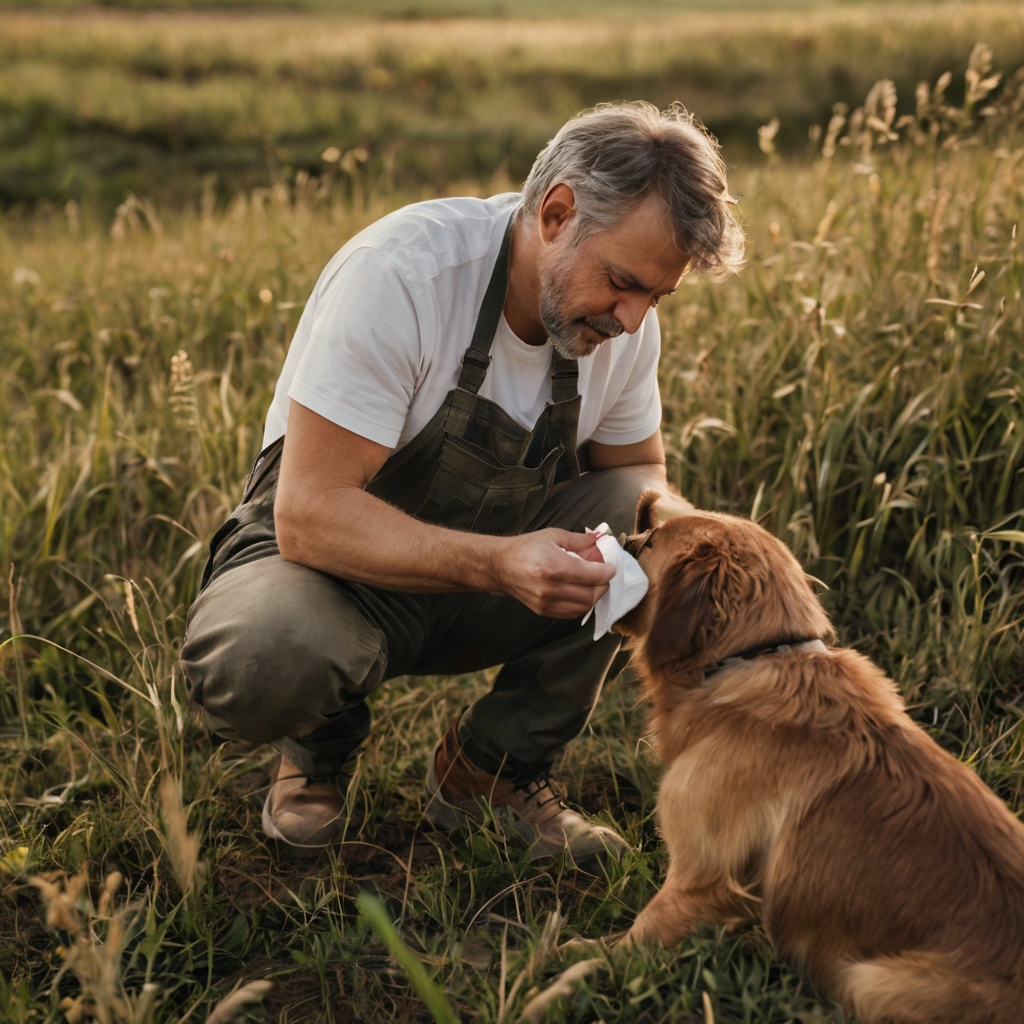
Every pet owner knows the importance of being prepared for emergencies. Here at Paws & Paths in Dorchester, we believe having a portable pet first aid kit on hand can make a huge difference in providing immediate care for your furry friend when accidents happen in the Dorset countryside. In this article, we’ll guide you through the steps to create your own portable pet first aid kit, complete with a list of necessary items and their uses.

Why You Need a Pet First Aid Kit

Pets are naturally curious and energetic, which sometimes leads to unexpected injuries or health issues. A well-stocked first aid kit allows you to handle minor injuries, stabilize your pet before a vet visit, and provide comfort during emergencies. Having a portable kit means you’re prepared whether you’re at home, on a hike, or on a road trip.

Step-by-Step Guide to Creating a Portable Pet First Aid Kit

Step 1: Choose the Right Container

  • Tip: Select a durable, waterproof container that’s easy to carry. A small tackle box, plastic container with a secure lid, or a specialized first aid bag works well.
  • Note: Ensure it’s large enough to hold all necessary items but compact enough to be portable.

Step 2: Gather the Essentials Here’s a list of essential items to include in your pet first aid kit, along with their uses:

  1. Sterile Gauze Pads and Rolls:
    • Use: For cleaning wounds and controlling bleeding.
    • Tip: Include various sizes for different wound types.
  2. Adhesive Tape:
    • Use: To secure bandages and gauze.
    • Tip: Opt for a pet-safe adhesive that won’t irritate their skin.
  3. Non-stick Bandages:
    • Use: To cover wounds without sticking to fur.
    • Tip: Self-adhesive bandages are ideal as they don’t require tape.
  4. Antiseptic Wipes and Solution:
    • Use: For cleaning and disinfecting wounds.
    • Tip: Choose a pet-friendly antiseptic like chlorhexidine.
  5. Hydrogen Peroxide (3% solution):
    • Use: To induce vomiting in case of poisoning (only under veterinary guidance).
    • Tip: Include an eyedropper for precise dosing.
  6. Digital Thermometer:
    • Use: To check your pet’s temperature.
    • Tip: Lubricate with petroleum jelly before use.
  7. Tweezers:
    • Use: For removing splinters, ticks, and foreign objects.
    • Tip: Opt for fine-tipped tweezers for precision.
  8. Scissors:
    • Use: For cutting bandages, gauze, and hair around wounds.
    • Tip: Blunt-tipped scissors are safer for use around pets.
  9. Disposable Gloves:
    • Use: To maintain hygiene and protect yourself while treating your pet.
    • Tip: Include multiple pairs in various sizes.
  10. Instant Cold Pack:
    • Use: To reduce swelling and manage pain from injuries.
    • Tip: Choose a crushable, single-use cold pack.
  11. Saline Solution:
    • Use: For flushing wounds and eyes.
    • Tip: Saline wound wash is convenient and easy to use.
  12. Styptic Powder or Pencil:
    • Use: To stop minor bleeding from cuts or clipped nails.
    • Tip: A styptic pencil is easy to apply and effective.
  13. Emergency Blanket:
    • Use: To keep your pet warm in case of shock or hypothermia.
    • Tip: Lightweight and compact, it’s easy to carry.
  14. Pet-Specific Medications:
    • Use: Any prescribed medications your pet may need.
    • Tip: Include a list of dosages and administration instructions.
  15. Muzzle:
    • Use: To prevent biting if your pet is in pain or frightened.
    • Tip: Choose a soft muzzle that fits your pet comfortably.
  16. Pet First Aid Manual:
    • Use: For reference in case of an emergency.
    • Tip: Download and print a guide or purchase a pet first aid book.

Organizing Your First Aid Kit

Step 3: Arrange Items for Easy Access

  • Tip: Use small plastic bags or pouches to group similar items together.
  • Note: Label the sections for quick identification during emergencies.

Step 4: Keep It Updated

  • Tip: Regularly check the expiration dates on medications and supplies.
  • Note: Replace used or expired items promptly to ensure your kit is always ready.

Step 5: Store It in a Convenient Location

  • Tip: Keep your kit in a place where it’s easily accessible, such as near your main entrance or in your car.
  • Note: Inform family members or pet sitters about the location of the kit and how to use it.

Conclusion

Creating a portable pet first aid kit is a simple yet crucial step in ensuring your pet’s safety. With the right supplies and a bit of preparation, you can handle minor injuries and emergencies with confidence. Remember, a well-stocked first aid kit is an essential part of responsible pet ownership, providing peace of mind whether you’re at home or on an adventure. Happy and safe travels with your furry friends!

Adventures in Pet Photography: Capturing the Perfect Outdoor Shot

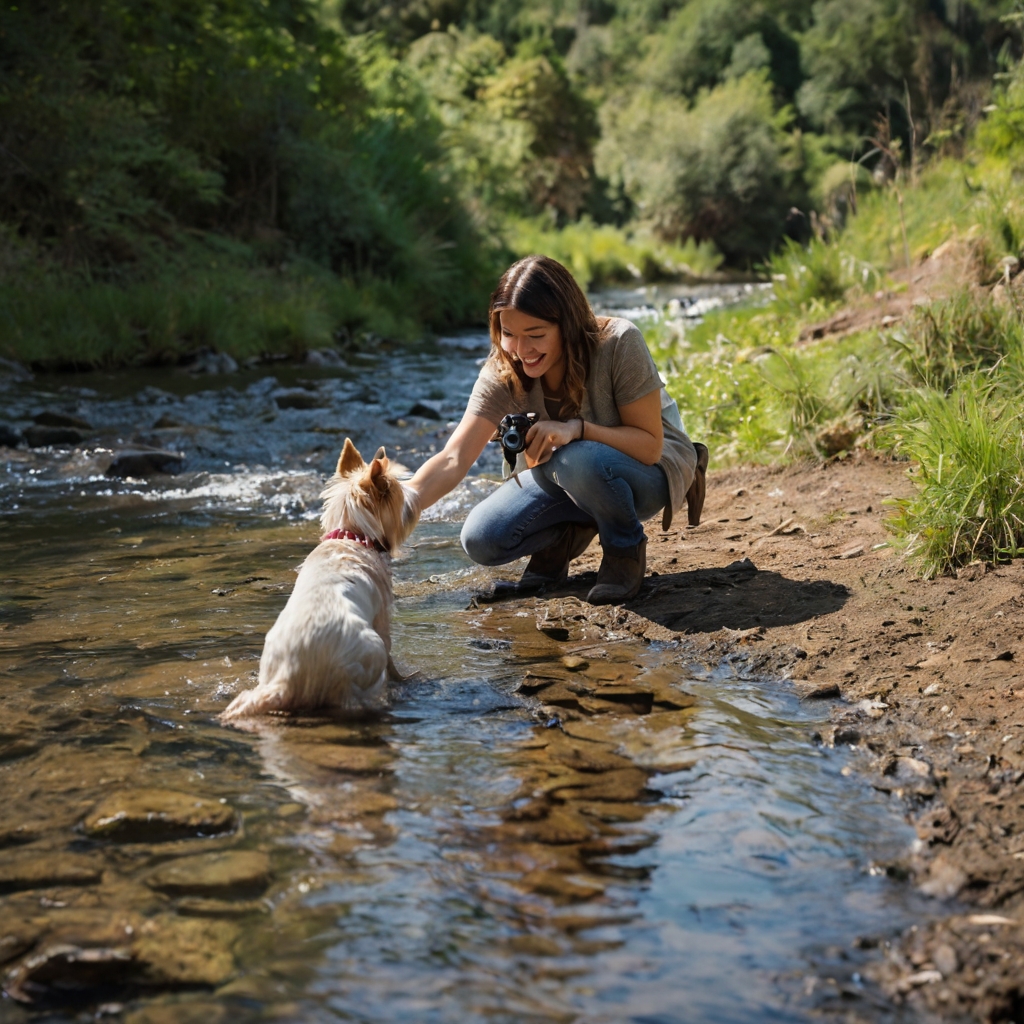
Here at Paws & Paths in Dorchester, we love seeing your perfect pet pictures, Photographing pets can be a delightful and rewarding experience, especially in the great outdoors of Dorchester where natural light and beautiful settings provide the perfect backdrop. However, capturing the perfect shot requires patience, creativity, and a few handy tips. Whether you’re a seasoned photographer or a pet parent looking to snap some great pictures of your furry friend, these tips will help you take stunning outdoor photos of your pets.

Choosing the Right Camera Settings

1. Use a Fast Shutter Speed:

  • Tip: Pets can be unpredictable and quick. A fast shutter speed (1/500 second or faster) will help freeze the action and prevent blurry photos.
  • How To: Set your camera to Shutter Priority mode (S or TV) and choose a high shutter speed.

2. Adjust the Aperture:

  • Tip: A wide aperture (low f-stop number, like f/2.8 or f/4) creates a shallow depth of field, making your pet stand out against a blurred background.
  • How To: In Aperture Priority mode (A or AV), select a low f-stop to achieve this effect.

3. Use Continuous Shooting Mode:

  • Tip: Pets often move quickly and unpredictably. Continuous shooting mode (burst mode) allows you to take multiple shots in quick succession, increasing your chances of capturing the perfect moment.
  • How To: Enable continuous shooting mode in your camera settings.

4. Focus on the Eyes:

  • Tip: The eyes are the most expressive part of your pet. Ensuring they are in sharp focus will make your photos more engaging and lively.
  • How To: Use single-point autofocus and aim for your pet’s eyes when taking the shot.

Finding the Best Angles and Composition

1. Get Down to Their Level:

  • Tip: Photographs taken from a pet’s eye level are more intimate and engaging. Get down on the ground to capture their perspective.
  • How To: Kneel, crouch, or lie down to match your pet’s height.

2. Fill the Frame:

  • Tip: Filling the frame with your pet minimizes distractions and keeps the focus on them.
  • How To: Move closer to your pet or use a zoom lens to get a tighter shot.

3. Use the Rule of Thirds:

  • Tip: The rule of thirds helps create balanced and interesting compositions. Imagine your frame divided into nine equal parts by two horizontal and two vertical lines. Position your pet along these lines or at their intersections.
  • How To: Enable the grid feature on your camera or smartphone to assist with composition.

4. Capture Action Shots:

  • Tip: Action shots can showcase your pet’s personality and energy. Capture them running, jumping, or playing for dynamic and lively photos.
  • How To: Anticipate their movements and use a fast shutter speed to freeze the action.

Keeping Pets Engaged

1. Use Treats and Toys:

  • Tip: Treats and toys can grab your pet’s attention and keep them focused. Use them to direct their gaze or encourage specific behaviors.
  • How To: Hold a treat or toy near the camera lens to make your pet look towards it.

2. Be Patient and Calm:

  • Tip: Pets can sense your energy. Staying patient and calm will help keep them relaxed and cooperative.
  • How To: Take breaks if your pet seems stressed or disinterested. Allow them to explore and play between shots.

3. Capture Natural Behaviors:

  • Tip: Some of the best photos come from capturing your pet’s natural behavior and expressions. Let them be themselves.
  • How To: Observe your pet and wait for moments that showcase their personality.

4. Enlist a Helper:

  • Tip: Having a friend or family member assist you can make the process smoother. They can help keep your pet engaged and positioned while you focus on taking photos.
  • How To: Coordinate with your helper to use toys, treats, or commands to direct your pet’s attention.

Utilizing Natural Light

1. Shoot During Golden Hours:

  • Tip: The golden hours (shortly after sunrise and before sunset) provide soft, warm light that enhances the quality of your photos.
  • How To: Plan your photo sessions during these times for the best lighting conditions.

2. Avoid Harsh Midday Sun:

  • Tip: Harsh sunlight can create strong shadows and make your pet squint. Opt for shaded areas or overcast days for softer lighting.
  • How To: Position your pet in open shade or wait for a cloud to diffuse the sunlight.

3. Use Backlighting for Drama:

  • Tip: Backlighting can create a beautiful halo effect around your pet’s fur. Position the sun behind your pet and expose for their face.
  • How To: Adjust your exposure settings to prevent your pet from becoming a silhouette.

Conclusion

Capturing the perfect outdoor shot of your pet involves a mix of technical skills, creativity, and patience. By choosing the right camera settings, finding the best angles, keeping your pet engaged, and utilizing natural light effectively, you can create beautiful and memorable photos that highlight your pet’s personality and charm. So grab your camera, head outdoors, and start capturing those picture-perfect moments with your furry friend!

Seasonal Safety Tips for Outdoor Pets

As a pet owner, ensuring your furry friend’s safety and well-being throughout the year is a top priority. Even in Dorchester, different seasons bring unique challenges, from the sweltering heat of summer to the frigid temperatures of winter, and the allergens of spring and autumn. This guide provides essential safety tips tailored to each season in Dorset, helping you keep your outdoor pets healthy and happy all year round.

Summer Safety Tips

1. Keep Pets Hydrated:

  • Tip: Ensure your pet always has access to fresh, cool water. Carry a portable water bottle and collapsible bowl during walks or outings.
  • Note: Monitor their water intake to prevent dehydration, especially during hot days.

2. Provide Shade:

  • Tip: Create shaded areas in your yard using umbrellas, tarps, or trees to protect your pet from direct sunlight.
  • Note: Pets can suffer from heatstroke, so ensure they have a cool place to rest.

3. Avoid Peak Heat:

  • Tip: Walk your dog early in the morning or late in the evening when temperatures are cooler.
  • Note: Hot pavement can burn your pet’s paws. Test the ground with your hand; if it’s too hot for you, it’s too hot for them.

4. Use Pet-Friendly Sunscreen:

  • Tip: Apply sunscreen to areas with little fur, like the nose and ears, to prevent sunburn.
  • Note: Choose a pet-specific sunscreen to avoid harmful ingredients.

5. Be Cautious with Water Activities:

  • Tip: Always supervise your pet around pools, lakes, and rivers. Not all dogs are natural swimmers.
  • Note: Use a life jacket for added safety during water activities.

Fall Safety Tips

1. Watch Out for Allergies:

  • Tip: Monitor your pet for signs of allergies, such as itching, sneezing, or watery eyes.
  • Note: Consult your vet for appropriate allergy treatments if symptoms persist.

2. Beware of Toxic Plants:

  • Tip: Keep your pet away from fallen leaves and plants that may be toxic, such as mushrooms.
  • Note: Familiarize yourself with common toxic plants in your area and remove them from your yard.

3. Prepare for Cooler Temperatures:

  • Tip: As temperatures drop, provide a warm shelter for your outdoor pet.
  • Note: Consider a heated pet bed or pad for extra warmth.

4. Maintain Visibility:

  • Tip: With shorter daylight hours, use reflective collars, leashes, or vests to keep your pet visible during evening walks.
  • Note: Attach an LED light to their collar for added visibility.

5. Flea and Tick Prevention:

  • Tip: Continue using flea and tick preventatives, as these pests can be active in the fall.
  • Note: Check your pet regularly for signs of fleas and ticks, especially after walks in wooded areas.

Winter Safety Tips

1. Provide Warm Shelter:

  • Tip: Ensure your pet has a dry, insulated shelter to protect them from the cold.
  • Note: Indoor access is ideal during extreme weather conditions.

2. Protect Paws from Ice and Salt:

  • Tip: Use pet-safe ice melt products and consider booties to protect your pet’s paws from salt and ice.
  • Note: Rinse their paws with warm water after walks to remove any harmful substances.

3. Keep Them Warm:

  • Tip: Dress your pet in a coat or sweater, especially if they have short fur.
  • Note: Avoid prolonged exposure to cold weather and bring your pet inside if they show signs of discomfort or hypothermia.

4. Watch for Antifreeze:

  • Tip: Keep antifreeze and other chemicals out of reach. Clean up any spills immediately.
  • Note: Antifreeze is highly toxic to pets, even in small amounts.

5. Maintain Hydration:

  • Tip: Ensure your pet has access to unfrozen water. Heated water bowls can help during freezing temperatures.
  • Note: Dehydration can occur in winter, just as it does in summer.

Spring Safety Tips

1. Allergy Awareness:

  • Tip: Monitor your pet for signs of spring allergies, such as scratching, licking, or ear infections.
  • Note: Consult your vet for allergy treatments and consider using hypoallergenic shampoos.

2. Prevent Parasites:

  • Tip: Start or continue using flea, tick, and heartworm preventatives as the weather warms up.
  • Note: Regularly check your pet for parasites, especially after outdoor activities.

3. Avoid Toxic Plants:

  • Tip: Be cautious of spring plants like lilies and tulips that can be toxic to pets.
  • Note: Remove any potentially harmful plants from your yard or garden.

4. Maintain a Safe Yard:

  • Tip: Inspect your yard for any hazards, such as sharp objects or toxic chemicals from gardening supplies.
  • Note: Use pet-safe fertilizers and pesticides.

5. Gradually Increase Activity:

  • Tip: Gradually increase your pet’s activity level to build their stamina and prevent injury.
  • Note: Start with shorter walks and gradually lengthen them as your pet adjusts to the warmer weather.

Conclusion

Keeping your pet safe and comfortable throughout the year requires awareness and preparation. By following these seasonal safety tips, you can ensure your furry friend enjoys the outdoors while staying healthy and protected. Whether it’s providing hydration in the summer, warmth in the winter, or protection from allergens and parasites in the spring and fall, a little extra care goes a long way in keeping your pet happy and safe all year round. Happy exploring!

Pet-Friendly Camping: Essential Gear and Tips

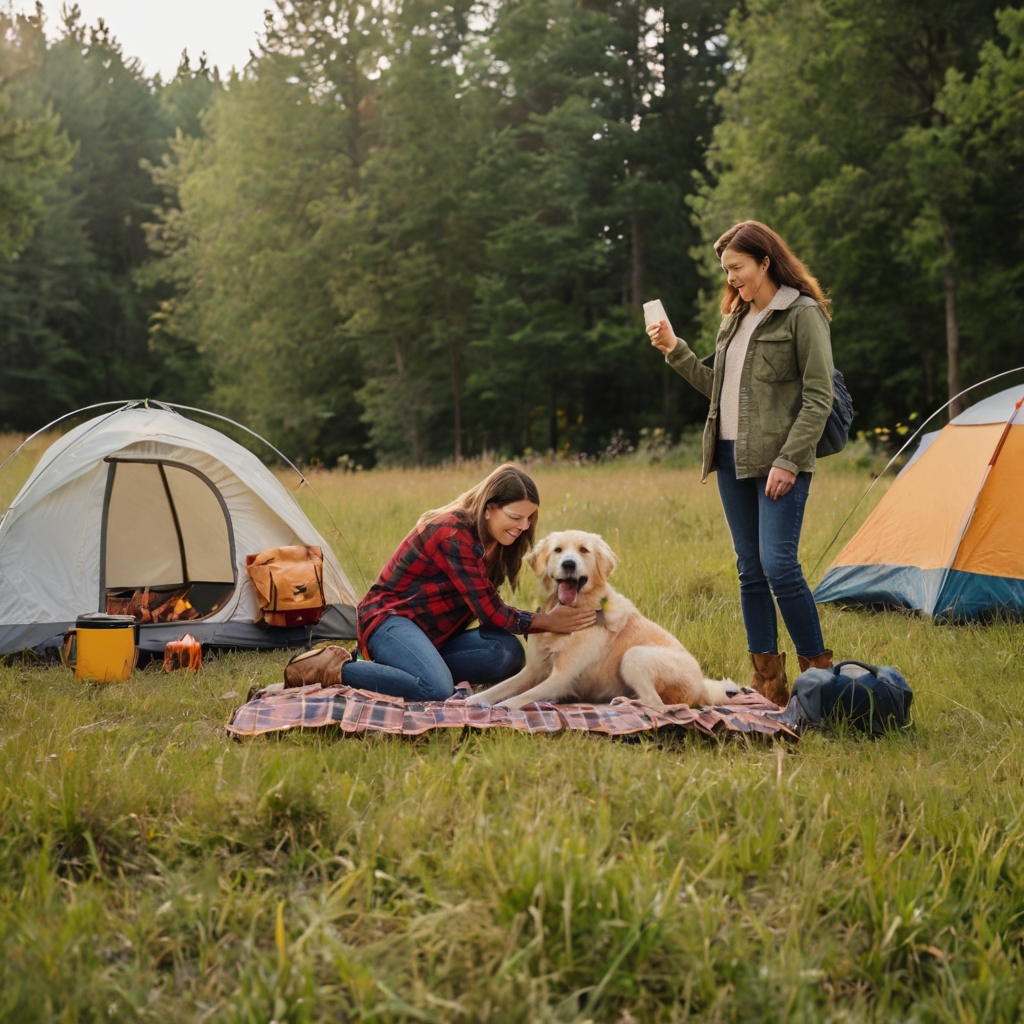
Camping with your pet in the Dorchester surrounds can be a wonderful experience, creating unforgettable memories and strengthening your bond. However, ensuring your pet’s safety and comfort requires some preparation and the right gear. In this article, we’ll list essential camping gear for pets and provide practical advice for keeping them safe and happy during your outdoor adventures in the Dorset countryside.

Essential Camping Gear for Pets

1. Durable Leash and Collar:

  • Why You Need It: A sturdy leash and collar with updated ID tags are essential for controlling your pet and ensuring their safety.
  • Tip: Consider a reflective or LED collar for visibility during night walks.

2. Harness:

  • Why You Need It: A harness provides better control and reduces strain on your pet’s neck.
  • Tip: Use a harness designed for outdoor activities with additional attachment points for safety.

3. Portable Crate or Travel Bed:

  • Why You Need It: A portable crate or travel bed gives your pet a familiar and secure place to rest.
  • Tip: Choose a crate that is easy to fold and transport, or a bed with a waterproof base.

4. Collapsible Food and Water Bowls:

  • Why You Need It: These bowls are convenient for feeding and hydrating your pet on the go.
  • Tip: Look for BPA-free and dishwasher-safe options.

5. Pet-Safe Insect Repellent:

  • Why You Need It: Protect your pet from ticks, fleas, and mosquitoes.
  • Tip: Use products specifically formulated for pets, as human insect repellents can be toxic to them.

6. First Aid Kit:

  • Why You Need It: A pet-specific first aid kit is crucial for handling minor injuries and emergencies.
  • Tip: Include bandages, antiseptic wipes, tweezers, and any medications your pet may need.

7. Waste Bags:

  • Why You Need It: Always clean up after your pet to maintain a clean campsite and protect the environment.
  • Tip: Biodegradable waste bags are an eco-friendly choice.

8. Reflective Vest or Bandana:

  • Why You Need It: Enhances your pet’s visibility during early morning or evening walks.
  • Tip: Choose a vest or bandana that fits comfortably and doesn’t restrict movement.

9. Pet Jacket or Sweater:

  • Why You Need It: Provides warmth in cooler weather and protects short-haired or small breeds.
  • Tip: Make sure the jacket is weather-resistant and properly sized for your pet.

10. Pet-Friendly Sunscreen:

  • Why You Need It: Protects your pet’s skin from harmful UV rays, especially if they have short fur or exposed skin.
  • Tip: Apply sunscreen to sensitive areas like the nose, ears, and belly.

Practical Tips for Pet-Friendly Camping

1. Choose the Right Campsite:

  • Tip: Look for pet-friendly campgrounds that offer amenities like pet waste stations, designated pet areas, and pet-friendly trails. Ensure the site is safe and free from potential hazards.

2. Keep Your Pet Leashed:

  • Tip: Even if your pet is well-trained, keeping them on a leash helps protect them from wildlife, other campers, and potential dangers like roads and bodies of water.

3. Hydration is Key:

  • Tip: Always carry enough water for both you and your pet. Monitor your pet’s water intake to prevent dehydration, especially in hot weather.

4. Watch the Weather:

  • Tip: Check the weather forecast before your trip and prepare for sudden changes. Bring appropriate gear to protect your pet from heat, cold, and rain.

5. Create a Safe Sleeping Area:

  • Tip: Set up a comfortable sleeping area inside your tent or in a designated pet tent. Ensure it’s free from drafts and provides adequate cushioning.

6. Keep Food Secure:

  • Tip: Store pet food in airtight containers to prevent attracting wildlife. Feed your pet away from your sleeping area to avoid unwanted visitors.

7. Practice Good Trail Etiquette:

  • Tip: When hiking, keep your pet on a leash and yield to other hikers and animals. Pack out all waste and leave no trace.

8. Acclimate Your Pet:

  • Tip: Before your trip, expose your pet to camping gear like tents and sleeping bags in your backyard. Take short hikes to build their endurance and familiarity with outdoor environments.

9. Monitor for Signs of Stress:

  • Tip: Watch for signs of stress or discomfort, such as excessive panting, whining, or restlessness. Provide reassurance and take breaks as needed.

10. Plan for Emergencies:

  • Tip: Know the location of the nearest veterinary clinic and carry contact information for emergency services. Have a plan in case of unexpected events.

Conclusion

Camping with your pet can be a delightful experience with the right preparation and gear. By following these tips and ensuring you have all the essential equipment, you can create a safe, comfortable, and enjoyable outdoor adventure for you and your furry friend. Happy camping!

How to Train Your Dog for Outdoor Adventures

Taking your dog on outdoor adventures in the Dorchester area, such as hiking and camping, can be an incredibly rewarding experience. However, it requires proper training to ensure your dog is well-behaved, safe, and able to enjoy the activities. This guide provides step-by-step instructions on how to train your dog for outdoor adventures, covering basic commands, recall training, and acclimating them to outdoor environments in Dorset.

Step 1: Master Basic Commands

Before embarking on outdoor adventures, ensure your dog is proficient in basic obedience commands. These commands are the foundation for good behavior and safety in various environments.

1. Sit: Teach your dog to sit on command. This is useful for keeping them calm and controlled.

  • Training Tip: Hold a treat above your dog’s head and move it back. As their head follows the treat, their bottom will naturally lower into a sitting position. Reward immediately.

2. Stay: The stay command is crucial for preventing your dog from wandering off.

  • Training Tip: Start with your dog in a sit position. Hold your hand out, palm facing them, and say “stay.” Take a step back and reward if they remain in place. Gradually increase the distance and duration.

3. Come: Reliable recall is essential for outdoor safety.

  • Training Tip: Use a long leash in a secure area. Call your dog’s name followed by “come” in an excited tone. Reward them generously when they come to you. Practice frequently to strengthen this behavior.

4. Leave It: This command can prevent your dog from picking up harmful objects.

  • Training Tip: Hold a treat in each hand. Show one treat and say “leave it.” When your dog ignores that treat, reward them with the treat from your other hand.

Step 2: Recall Training

Recall, or the ability to come when called, is particularly important for outdoor adventures. It can prevent your dog from running into danger and ensures they stay close to you.

  1. Start Indoors: Begin training recall indoors with minimal distractions. Use high-value treats or toys to make coming to you a rewarding experience.
  2. Move to a Fenced Area: Gradually transition to a fenced yard or a secure outdoor area. Practice calling your dog from short distances and gradually increase the distance.
  3. Increase Distractions: Once your dog reliably comes when called, practice in environments with more distractions, like parks. Use a long leash to maintain control.
  4. Use Positive Reinforcement: Always reward your dog when they come to you, even if it takes a few tries. This reinforces the behavior and builds a positive association.

Step 3: Acclimate to Outdoor Environments

Dogs need time to adjust to new environments. Gradually exposing them to different outdoor settings can help them become comfortable and confident.

  1. Short Walks: Start with short walks in your neighborhood or local park. Allow your dog to explore and sniff, which helps them acclimate to new sights and smells.
  2. Increase Duration: Gradually increase the length and complexity of your walks. Introduce them to different terrains like grass, dirt trails, and rocky paths.
  3. Socialization: Expose your dog to various outdoor stimuli, such as other dogs, people, and wildlife. Positive socialization helps reduce fear and anxiety.
  4. Camping Simulation: If you’re planning to camp, set up a tent in your backyard and let your dog explore it. Spend time inside the tent with them to help them get used to the space.

Step 4: Prepare for Specific Activities

Each outdoor activity may require specific training and preparation.

1. Hiking:

  • Trail Etiquette: Train your dog to walk calmly on a leash without pulling. Practice passing other hikers and dogs politely.
  • Endurance Training: Gradually increase the length and difficulty of your hikes to build your dog’s stamina. Monitor their health and comfort levels.
  • Trail Commands: Teach commands like “wait” for stopping at trail intersections and “off” for not jumping on people or wildlife.

2. Camping:

  • Quiet Time: Train your dog to settle down and relax on a designated spot, like a blanket or bed, during quiet times at the campsite.
  • Campfire Safety: Teach your dog to stay away from the campfire. Use a leash or tie-out to keep them at a safe distance.
  • Noise Acclimation: Familiarize your dog with common camping sounds, such as tent zippers, campfire crackling, and night-time wildlife.

Step 5: Safety and Health Considerations

Ensure your dog’s safety and well-being during outdoor adventures.

  1. Hydration and Nutrition: Carry enough water and food for your dog. Portable water bowls and high-energy snacks are essential.
  2. First Aid Kit: Pack a pet-specific first aid kit with bandages, antiseptic, tweezers, and any necessary medications.
  3. Tick and Flea Prevention: Use preventative treatments to protect your dog from ticks, fleas, and other parasites.
  4. Weather Protection: Be mindful of weather conditions. Protect your dog from extreme heat or cold with appropriate gear, such as cooling vests or insulated jackets.

Conclusion

Training your dog for outdoor adventures takes time, patience, and consistency, but the rewards are well worth the effort. By mastering basic commands, ensuring reliable recall, acclimating to various environments, and preparing for specific activities, you can create memorable and enjoyable experiences for both you and your furry friend. Happy adventuring!

The Ultimate Guide to Traveling with Your Pet

Traveling with your pet can be a wonderful and rewarding experience, but it requires careful planning and preparation to ensure a safe and enjoyable trip for both you and your furry companion. Whether you’re hitting the road for a weekend getaway or embarking on a longer adventure, this ultimate guide will provide you with all the tips and information you need to make your journey smooth and stress-free.

Packing List for Traveling with Your Pet

Essential Items:

  1. Leash and Collar: Ensure your pet has a sturdy leash and collar with updated ID tags.
  2. Travel Crate or Carrier: A secure crate or carrier is crucial for your pet’s safety during travel.
  3. Food and Water: Pack enough pet food for the duration of your trip and bring a supply of fresh water.
  4. Collapsible Bowls: These are convenient for feeding your pet on the go.
  5. Bedding and Blankets: Familiar bedding can help your pet feel comfortable and secure.
  6. Toys and Chews: Keep your pet entertained with their favorite toys and chews.
  7. Poop Bags: Always clean up after your pet.
  8. Grooming Supplies: Brush, nail clippers, and any other grooming items your pet may need.
  9. First Aid Kit: Include bandages, antiseptic wipes, tweezers, and any medications your pet requires.
  10. Medical Records: Carry a copy of your pet’s vaccination records and any necessary medications.

Safety Tips for Traveling with Your Pet

  1. Pre-Trip Vet Visit: Schedule a check-up to ensure your pet is healthy and up-to-date on vaccinations.
  2. Microchip and ID Tags: Ensure your pet has a microchip and updated ID tags with your contact information.
  3. Comfort Breaks: Plan for regular stops during car travel to allow your pet to stretch, relieve themselves, and drink water.
  4. Never Leave Pets Unattended: Never leave your pet alone in a parked car, as temperatures can quickly become dangerous.
  5. Secure Your Pet: Use a seatbelt harness, travel crate, or barrier to keep your pet safe in the car.
  6. Hydration: Keep your pet hydrated, especially in warm weather. Offer water frequently during the trip.
  7. Familiar Items: Bring your pet’s favorite toys, blankets, and bedding to help them feel secure.
  8. Keep Calm: Stay calm and reassuring to help your pet feel safe and relaxed during the journey.

Finding Pet-Friendly Accommodations

  1. Research in Advance: Look for pet-friendly hotels, motels, and vacation rentals well before your trip. Websites like BringFido and PetFriendly can help.
  2. Check Policies: Verify the hotel’s pet policies, including any size or breed restrictions, additional fees, and amenities offered.
  3. Pet-Friendly Amenities: Some accommodations offer pet beds, bowls, and even pet-sitting services. Check for these amenities to make your stay more comfortable.
  4. Review and Ratings: Read reviews from other pet owners to gauge the quality of the pet-friendly accommodations.
  5. Campgrounds and RV Parks: If you’re camping, look for pet-friendly campgrounds and RV parks. Ensure they have pet-friendly trails and areas for your pet to explore.

Finding Pet-Friendly Attractions

  1. Parks and Trails: Many national and state parks offer pet-friendly trails. Research ahead to find parks that welcome pets and any specific rules.
  2. Beaches: Look for dog-friendly beaches where your pet can enjoy the sand and surf. Check local regulations regarding leash requirements.
  3. Outdoor Cafes and Restaurants: Many outdoor dining establishments allow pets. Call ahead to confirm their pet policy.
  4. Pet Events: Look for pet-friendly events like dog festivals, outdoor markets, and pet parades happening at your destination.
  5. Local Attractions: Some cities have pet-friendly attractions like botanical gardens, historic sites, and open-air museums. Check online resources for listings.

Additional Tips for a Smooth Trip

  1. Routine Maintenance: Keep to your pet’s regular feeding and exercise schedule as much as possible.
  2. Pet Etiquette: Ensure your pet behaves well in public places. Keep them leashed and clean up after them.
  3. Emergency Plan: Know the location of the nearest veterinary clinics and 24-hour emergency animal hospitals at your destination.
  4. Travel Training: If your pet is new to travel, take short trips first to get them accustomed to the experience.
  5. Be Flexible: Allow for extra time in your travel plans to accommodate your pet’s needs.

Traveling with your pet can be a delightful experience with the right preparation. By following these tips and packing the essentials, you can ensure a safe, enjoyable, and memorable trip for you and your furry friend. Happy travels!

Top 10 Dog-Friendly Hiking Trails in the Dorchester Area

Exploring the great outdoors with your furry friend is a rewarding experience, and Dorchester offers a plethora of dog-friendly hiking trails that cater to all levels of adventurers. Whether you’re looking for a leisurely walk or a challenging hike, these trails provide the perfect opportunity to bond with your canine companion while enjoying the natural beauty of the area. Here are the top 10 dog-friendly hiking trails in the Dorchester area:

1. Maiden Castle

Distance: 3 miles
Difficulty: Moderate
Highlights: Historic hill fort, panoramic views, wildflowers

Maiden Castle is one of the largest and most complex Iron Age hill forts in Europe. The trail offers a moderate hike with stunning views of the surrounding countryside. Dogs will love exploring the open fields and rolling hills. Make sure to keep them on a leash as there are often livestock grazing nearby.

2. Thorncombe Woods and Hardy’s Birthplace

Distance: 2.5 miles
Difficulty: Easy
Highlights: Ancient woodland, Thomas Hardy’s cottage, wildlife

This easy trail takes you through beautiful ancient woodlands and past the birthplace of the famous author Thomas Hardy. The well-maintained paths are perfect for a leisurely stroll with your dog. Enjoy the tranquil surroundings and keep an eye out for deer and other wildlife.

3. Cerne Abbas Giant Walk

Distance: 4 miles
Difficulty: Moderate
Highlights: Iconic chalk figure, scenic countryside, historic village

The Cerne Abbas Giant Walk offers a moderate hike with a mix of open fields and wooded areas. The trail provides a great view of the iconic Cerne Abbas Giant, a large chalk figure carved into the hillside. The village of Cerne Abbas is also worth exploring with its charming streets and historic buildings.

4. Puddletown Forest

Distance: Various trails, up to 6 miles
Difficulty: Easy to Moderate
Highlights: Forest trails, varied terrain, birdwatching

Puddletown Forest is a fantastic spot for dog owners, with numerous trails to choose from. The forest paths are well-marked and offer a range of distances and difficulties. Your dog will love sniffing around the diverse terrain, from dense woodlands to open clearings.

5. Lulworth Cove to Durdle Door

Distance: 2 miles (one way)
Difficulty: Moderate to Difficult
Highlights: Coastal views, natural arch, beach access

This trail is part of the South West Coast Path and offers breathtaking views of the Jurassic Coast. The hike from Lulworth Cove to Durdle Door is relatively short but can be steep in places. The reward is the stunning natural limestone arch of Durdle Door. Dogs are welcome on the beach year-round.

6. Kingston Maurward Gardens and Animal Park

Distance: 1.5 miles
Difficulty: Easy
Highlights: Beautiful gardens, animal park, lake

While primarily known for its gardens and animal park, Kingston Maurward offers pleasant walking paths that are dog-friendly. The easy trail around the lake and gardens is perfect for a relaxed walk with your dog. Don’t forget to visit the animal park, where dogs on leashes are welcome.

7. Weymouth to Osmington Mills

Distance: 6 miles
Difficulty: Moderate
Highlights: Coastal path, cliff views, historic pub

This moderate trail follows the South West Coast Path from Weymouth to the charming hamlet of Osmington Mills. Enjoy stunning coastal views and rugged cliffs along the way. The Smugglers Inn, a historic pub in Osmington Mills, is dog-friendly and a great place to stop for refreshments.

8. Hardy’s Monument Circular Walk

Distance: 5 miles
Difficulty: Moderate
Highlights: Historic monument, panoramic views, diverse landscapes

Starting and ending at Hardy’s Monument, this circular walk takes you through a variety of landscapes, including heathland, woodland, and open fields. The monument itself offers panoramic views of the surrounding countryside. Dogs will enjoy the open spaces and new scents.

9. Langdon Hill and Golden Cap

Distance: 3 miles
Difficulty: Moderate to Difficult
Highlights: Highest point on the South Coast, woodland, coastal views

Golden Cap is the highest point on the south coast of England, and the hike up to it offers spectacular views. Starting from Langdon Hill car park, the trail takes you through beautiful woodlands before a steep climb to the top. The effort is well worth it for the stunning coastal vistas.

10. Arne Nature Reserve

Distance: Various trails, up to 4 miles
Difficulty: Easy to Moderate
Highlights: Heathland, wildlife, birdwatching

The RSPB Arne Nature Reserve is a haven for wildlife and offers several dog-friendly trails. The easy to moderate paths take you through diverse habitats, including heathland and woodland. Keep your dog on a leash to protect the local wildlife, and enjoy the serene surroundings.


Exploring these trails with your dog is a great way to experience the natural beauty and rich history of the Dorchester area. Always remember to respect local guidelines, keep your dog on a leash where required, and clean up after them to ensure these trails remain enjoyable for everyone. Happy hiking!

Paws & Paths: Your Trusted Cat-Sitting Service While You’re Away

Planning a holiday can be an exciting time, but it can also bring concerns about the well-being of your beloved feline friend while you’re away. At Paws & Paths, we understand the importance of ensuring your cat feels safe, comfortable, and cared for in your absence. That’s why we offer professional cat-sitting and cat-visiting services tailored to meet your pet’s needs.

Why Choose Paws & Paths for Cat-Sitting?

Personalized Care: Every cat is unique, and so are their needs. Our cat-sitting services are designed to provide personalized attention, ensuring your cat receives the same level of care and affection they’re used to at home.

Comfort and Familiarity: Cats are creatures of habit and can be stressed by changes in their environment. Our cat-sitting services allow your pet to stay in the comfort of their own home, surrounded by familiar sights, sounds, and smells.

Professional and Experienced Sitters: Our team of cat sitters is experienced and trained in handling cats of all temperaments. We are passionate about animal care and dedicated to providing the best possible service for your furry friend.

Our Cat-Sitting Services

Daily Visits: Our daily visit service is perfect for cats who prefer minimal disruption. We will visit your home once or twice a day to ensure your cat is fed, watered, and given plenty of attention and playtime. We’ll also clean litter boxes and administer any necessary medications.

Extended Stays: For cats who require more companionship, our extended stay service provides longer visits. This option ensures your cat receives ample social interaction, reducing any feelings of loneliness while you’re away.

Overnight Stays: For those who want the ultimate peace of mind, we offer overnight stays. Our sitters will stay in your home, providing your cat with company and care throughout the night, as well as during the day.

What to Expect During Our Visits

Feeding and Hydration: We will follow your cat’s regular feeding schedule and ensure they have access to fresh water at all times.

Litter Box Maintenance: Clean and hygienic litter boxes are essential for your cat’s comfort. We will scoop and change litter as needed to maintain a clean environment.

Playtime and Interaction: Whether your cat loves chasing a feather toy or prefers a gentle brush, we’ll spend quality time engaging in their favorite activities. Playtime helps keep your cat active and reduces stress.

Health Checks: Our sitters will perform a basic health check during each visit, looking for any signs of illness or distress. If any issues are noticed, we will notify you immediately and, if necessary, arrange a visit to your preferred vet.

Home Security: In addition to caring for your cat, we’ll also help maintain the security of your home by bringing in mail, adjusting lights, and ensuring doors and windows are secure.

Additional Benefits

Regular Updates: We know how important it is to stay connected with your pet. Our sitters will provide regular updates, including photos and videos, so you can see how your cat is doing and have peace of mind.

Flexible Scheduling: We understand that travel plans can change. Our flexible scheduling options are designed to accommodate your needs, whether you require a single visit or a long-term arrangement.

Emergency Support: In the unlikely event of an emergency, our team is prepared to take prompt action. We have a comprehensive plan in place to handle any situation, ensuring your cat receives immediate care.

How to Book Our Services

Booking our cat-sitting services is easy. Simply visit our website, choose the service that best suits your needs, and fill out our online contact form. We’ll arrange a meet-and-greet with one of our professional sitters to discuss your cat’s specific requirements and ensure a seamless experience.

Conclusion

At Paws & Paths, we are committed to providing exceptional care for your feline friends. Our professional cat-sitting and cat-visiting services ensure that your pet remains happy, healthy, and stress-free while you’re away. Contact us today to learn more about our services and how we can help make your next holiday a relaxing experience for both you and your cat.

For more information or to book our services, visit our website or give us a call. We look forward to caring for your furry family member!