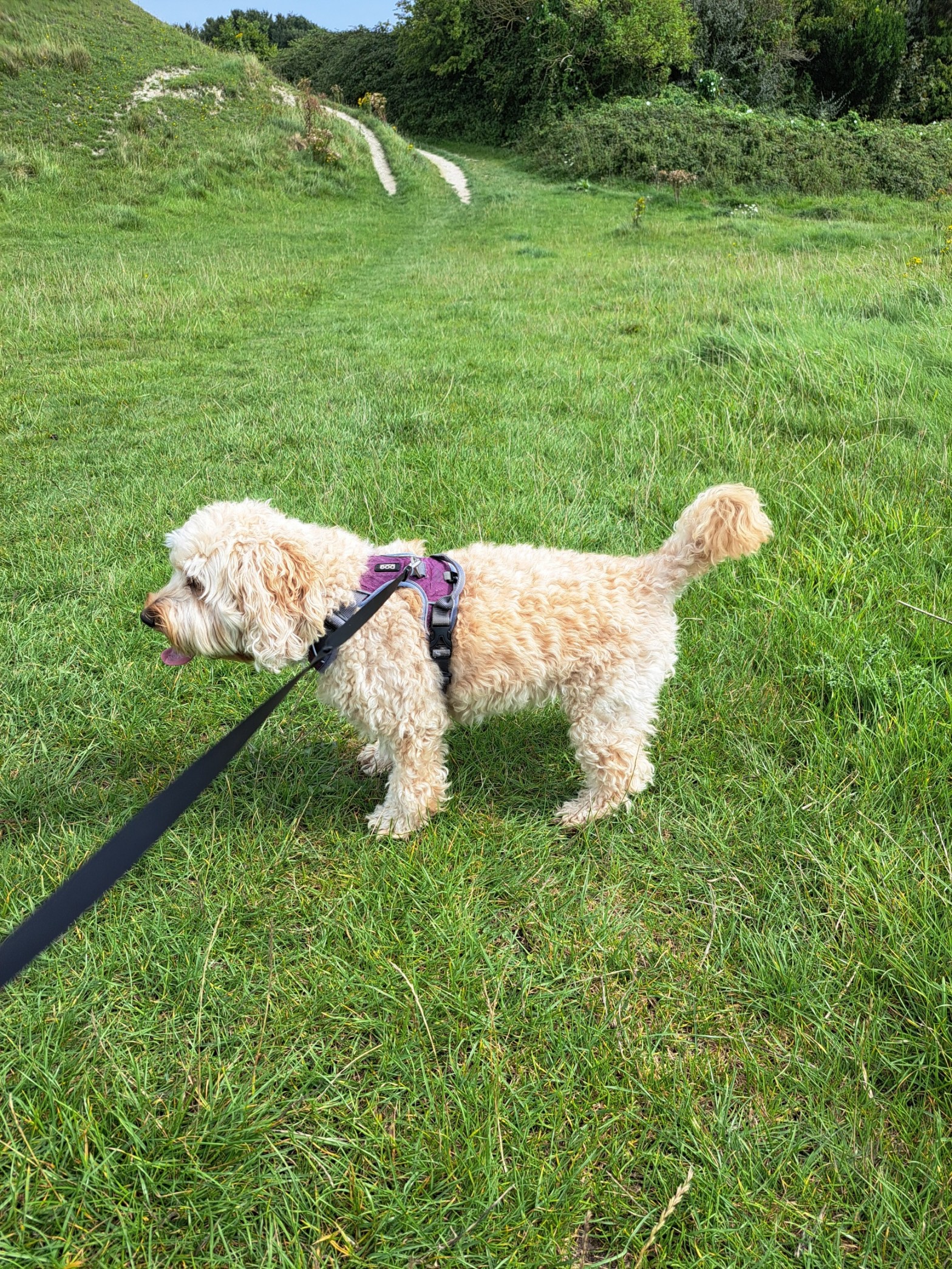
Walking your dog is more than just a routine exercise; it’s an opportunity for them to explore, socialise, and engage with the world around them. However, every dog owner knows that walks can sometimes be unpredictable, with a range of behaviours surfacing from excitement and curiosity to anxiety or even aggression. Understanding these behaviours is key to making walks enjoyable for both you and your furry friend. At Paws & Paths of Dorchester, we’ve learned a great deal about dog behaviour during walks, and we’re here to share some insights and tips to help you manage them effectively.
Common Dog Behaviours on Walks
- Pulling on the Lead
One of the most common challenges during walks is a dog that pulls on the lead. This behaviour can occur for various reasons, such as excitement, a strong prey drive, or a desire to reach a particular destination. Dogs are naturally faster walkers than humans, and the desire to explore quickly can lead to pulling. To manage this behaviour, consider using a no-pull harness, which discourages pulling without causing discomfort. Additionally, practice loose lead walking by changing directions frequently and rewarding your dog when they follow you. This reinforces the idea that staying close to you is rewarding.
- Excessive Sniffing
Sniffing is an essential part of how dogs perceive the world. Their sense of smell is far superior to ours, and they use it to gather information about their environment. While allowing your dog to sniff can be mentally stimulating and fulfilling for them, excessive sniffing can slow down your walk. To strike a balance, designate specific “sniffing spots” where your dog can indulge their senses, and then encourage them to keep moving after a short period. This way, you cater to their natural behaviour while maintaining a steady pace.
- Barking at Other Dogs or People
Barking during walks can be due to excitement, fear, or territorial behaviour. If your dog barks at other dogs or people, it is important to identify the underlying cause. For example, a dog might bark because they are anxious or uncomfortable around other dogs, or they might simply want to play. To manage this behaviour, use positive reinforcement techniques such as treats or praise when your dog remains calm in the presence of triggers. Over time, this helps to build a positive association and reduces barking.
- Lunging or Chasing
Lunging or chasing behaviour can stem from a strong prey drive or a desire to greet other animals. While this behaviour is natural, it can be problematic, especially if it involves lunging at passing cars or cyclists. Training your dog to focus on you during walks is crucial. Use a combination of commands, such as “watch me” or “leave it,” to redirect their attention. Practicing these commands in a controlled environment before using them on walks can be highly effective.
- Stopping Suddenly or Refusing to Walk
Dogs may suddenly stop walking or refuse to continue for several reasons, including fatigue, discomfort, or fear. If your dog frequently stops or refuses to walk, it’s important to assess the situation. Are they tired or overwhelmed? Are they experiencing any pain or discomfort? Ensuring your dog is healthy and comfortable is vital. Sometimes, carrying a favourite toy or offering a treat can motivate them to keep moving.
Tips for a Successful Walk
- Be Consistent with Commands
Consistency is key when training your dog to exhibit good behaviour on walks. Use the same commands and reward good behaviour consistently. This helps your dog understand what is expected of them and reinforces positive habits.
- Choose the Right Equipment
Selecting the right equipment, such as a comfortable harness and lead, can make a significant difference in managing your dog’s behaviour. Avoid using retractable leads, as they can encourage pulling and make it harder to control your dog.
- Understand Your Dog’s Needs
Every dog is unique, and their behaviour during walks can vary based on breed, age, and personality. Understanding your dog’s specific needs and triggers can help you anticipate and manage their behaviour more effectively. For instance, high-energy breeds may require more exercise and stimulation, while older dogs may need slower-paced, shorter walks.
- Stay Calm and Patient
Your dog is likely to mirror your energy and behaviour. If you remain calm and composed, your dog is more likely to feel secure and relaxed. Patience is crucial, especially when dealing with challenging behaviours. Remember, training takes time, and progress may be gradual.
- Use Positive Reinforcement
Positive reinforcement is one of the most effective ways to encourage good behaviour. Praise your dog, offer treats, or provide a favourite toy when they behave well during a walk. This creates a positive association with the behaviour you want to reinforce.
Why Choose Paws & Paths of Dorchester?
At Paws & Paths of Dorchester, we understand that every dog is different, and we tailor our dog walking services to meet the unique needs of each pet. Our experienced team is skilled in handling a variety of dog behaviours and uses positive reinforcement techniques to ensure a safe and enjoyable walking experience. Whether your dog is a high-energy breed that needs a brisk run or a more relaxed dog that prefers a leisurely stroll, we are here to provide the care and attention they deserve.
We also offer specialised training walks for dogs that require additional guidance and support, helping them to learn good walking manners and reduce undesirable behaviours. By choosing Paws & Paths of Dorchester, you’re choosing a team that’s dedicated to the well-being of your pets and committed to providing top-notch care.
Conclusion
Understanding your dog’s behaviour during walks and implementing effective management strategies can transform your walking experience into a more enjoyable and harmonious activity. At Paws & Paths of Dorchester, we are here to support you every step of the way, offering professional dog walking services tailored to your dog’s unique needs. Contact us today to learn more about how we can help you and your furry friend enjoy safer, happier walks.
 Paws & Paths, Dorchester