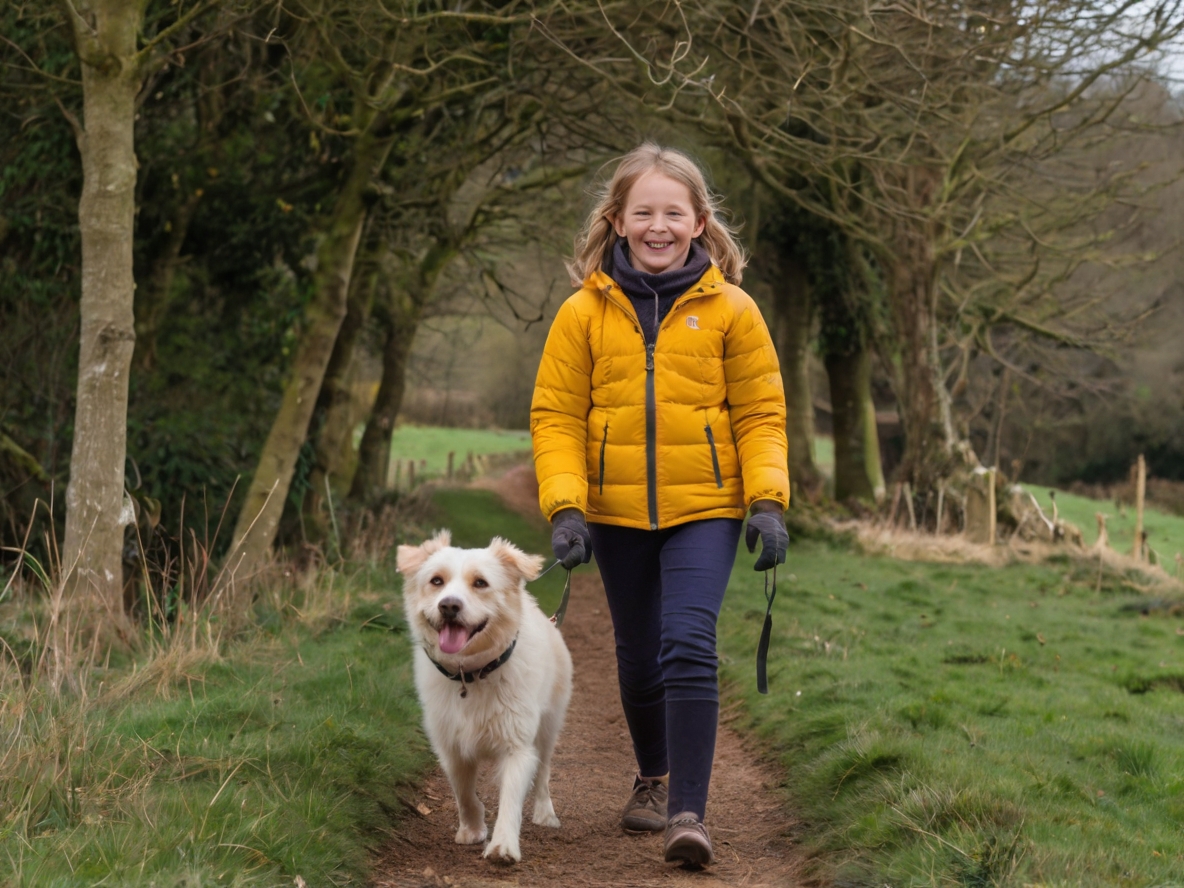
Embarking on your first major outdoor adventure with your pet is an exciting experience, filled with new sights, sounds, and smells. However, proper preparation is key to ensuring that both you and your furry friend have a safe and enjoyable time. In this article, we’ll offer advice on how to prepare your pet for their first big adventure, including health checks, conditioning, and what to expect, particularly related to the beautiful Dorchester area in Dorset, UK. At Paws & Paths of Dorchester, we’ve prepared this short for you and your dog.
1. Schedule a Vet Visit
Health Checks:
- Comprehensive Examination: Before any big adventure, ensure your pet is in good health by scheduling a vet visit. The vet can check for any underlying conditions that might be exacerbated by physical activity.
- Vaccinations and Preventatives: Make sure your pet’s vaccinations are up to date and discuss any additional preventative measures, such as flea, tick, and worm treatments, especially if you’ll be spending time in wooded or grassy areas.
- Microchipping and ID Tags: Confirm that your pet’s microchip information is current and that they have a secure ID tag with your contact details.
2. Start Conditioning
Physical Preparation:
- Gradual Increase in Activity: Begin conditioning your pet for the physical demands of outdoor adventures by gradually increasing the length and intensity of your walks. Start with short, easy walks and slowly progress to longer, more challenging hikes.
- Strength and Stamina: Incorporate activities that build your pet’s strength and stamina. For example, walking on different terrains, including hills and uneven surfaces, can help prepare their muscles and joints.
- Paw Care: Toughen your pet’s paws by walking on various surfaces such as gravel, sand, and dirt. Check their paws regularly for any signs of injury or discomfort and use paw balm to keep them moisturized.
3. Train for the Trail
Basic Commands:
- Recall Training: Ensure your pet reliably responds to recall commands. Practice in a variety of environments to reinforce this crucial skill.
- Leash Training: If your pet isn’t already accustomed to walking on a leash, spend time training them to walk calmly and consistently by your side. This is especially important in areas where off-leash walking is not permitted.
- Trail Etiquette: Teach your pet to yield to other hikers, bikers, and wildlife. Practice commands like “sit,” “stay,” and “leave it” to help manage their behavior on the trail.
4. Pack the Essentials
Gear Checklist:
- Water and Bowl: Carry enough water for both you and your pet, along with a portable bowl. Staying hydrated is essential, particularly on longer hikes.
- Food and Treats: Bring high-energy snacks and your pet’s regular food. Treats can also be useful for reinforcing good behavior.
- First Aid Kit: Assemble a pet-specific first aid kit that includes items such as bandages, antiseptic wipes, tweezers, and any medications your pet might need.
- Waste Bags: Always bring waste bags to clean up after your pet and keep the trails clean for everyone.
- Comfort Items: Depending on the weather and terrain, pack a blanket, towel, or doggy jacket to keep your pet comfortable.
5. Plan Your Route
Choosing the Right Trail:
- Research Pet-Friendly Trails: Look for trails that are known to be pet-friendly. In the Dorchester area, Thorncombe Woods and the Riverside Walks offer excellent options for beginners.
- Check Regulations: Verify the park’s regulations regarding pets, such as leash requirements and restricted areas.
- Evaluate Difficulty: Choose a trail that matches your pet’s fitness level and experience. Start with shorter, less challenging trails and gradually work up to more strenuous hikes.
6. What to Expect
First Adventure Considerations:
- New Environments: Your pet may be overwhelmed by new environments. Allow time for them to adjust and explore at their own pace.
- Wildlife Encounters: Be prepared for potential wildlife encounters. Keep your pet on a leash and under control to prevent chasing or unwanted interactions.
- Weather Changes: Weather in the Dorchester area can be unpredictable. Check the forecast and prepare for changes in weather by packing appropriate gear.
7. Monitor Your Pet’s Well-being
During the Adventure:
- Frequent Breaks: Take regular breaks to rest and hydrate, especially if your pet shows signs of fatigue.
- Watch for Signs of Discomfort: Keep an eye out for signs of overheating, such as excessive panting or drooling, as well as signs of cold, like shivering. Adjust your plans as needed to ensure your pet’s comfort.
- Post-Hike Check: After the hike, inspect your pet for ticks, burrs, or any injuries. Clean their paws and provide plenty of water and a comfortable place to rest.
Conclusion
Preparing your pet for their first big outdoor adventure requires careful planning and attention to their physical and mental needs. By scheduling a vet visit, conditioning their body, training for the trail, packing essential gear, planning your route, and monitoring their well-being, you can ensure a safe and enjoyable experience for both you and your furry friend. The Dorchester area offers a wealth of beautiful landscapes to explore, making it the perfect backdrop for your first adventure together. Happy exploring!
 Paws & Paths, Dorchester