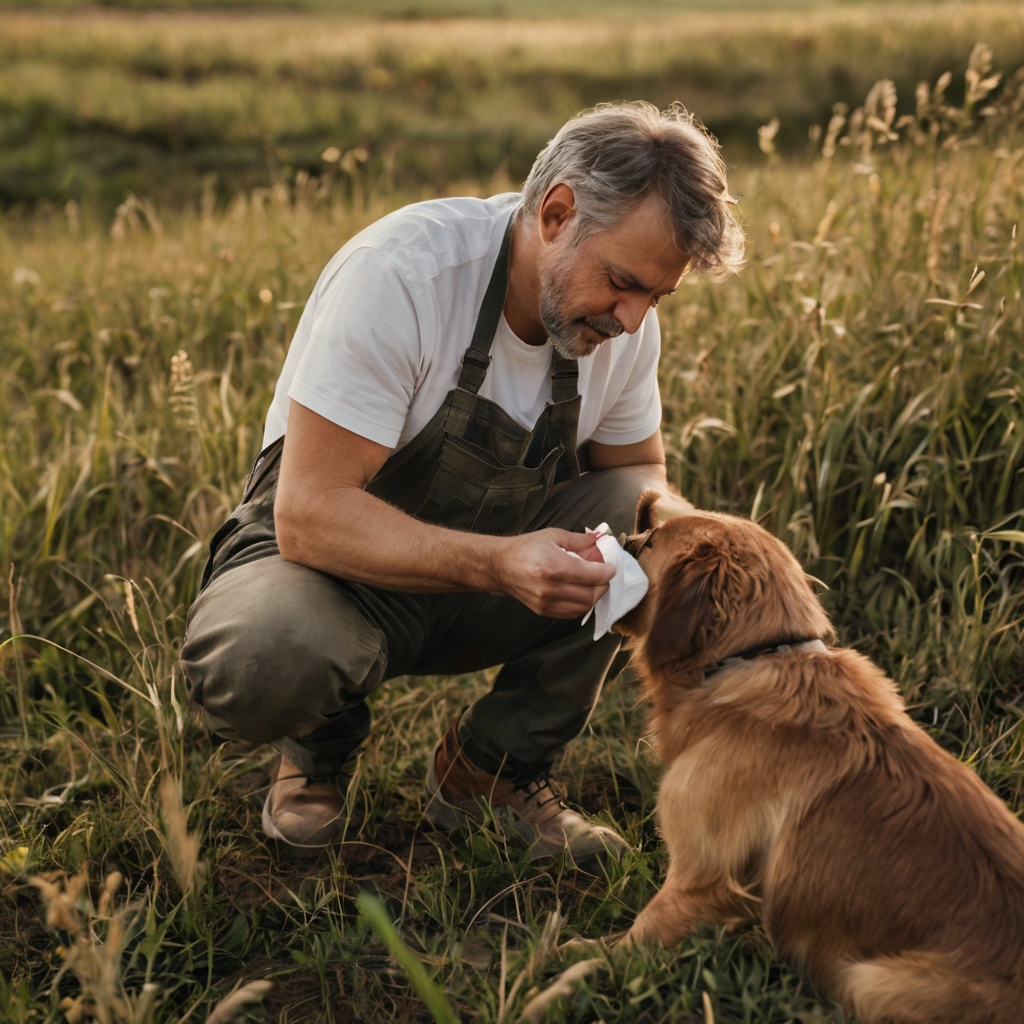
Every pet owner knows the importance of being prepared for emergencies. Here at Paws & Paths in Dorchester, we believe having a portable pet first aid kit on hand can make a huge difference in providing immediate care for your furry friend when accidents happen in the Dorset countryside. In this article, we’ll guide you through the steps to create your own portable pet first aid kit, complete with a list of necessary items and their uses.
Why You Need a Pet First Aid Kit
Pets are naturally curious and energetic, which sometimes leads to unexpected injuries or health issues. A well-stocked first aid kit allows you to handle minor injuries, stabilize your pet before a vet visit, and provide comfort during emergencies. Having a portable kit means you’re prepared whether you’re at home, on a hike, or on a road trip.
Step-by-Step Guide to Creating a Portable Pet First Aid Kit
Step 1: Choose the Right Container
- Tip: Select a durable, waterproof container that’s easy to carry. A small tackle box, plastic container with a secure lid, or a specialized first aid bag works well.
- Note: Ensure it’s large enough to hold all necessary items but compact enough to be portable.
Step 2: Gather the Essentials Here’s a list of essential items to include in your pet first aid kit, along with their uses:
- Sterile Gauze Pads and Rolls:
- Use: For cleaning wounds and controlling bleeding.
- Tip: Include various sizes for different wound types.
- Adhesive Tape:
- Use: To secure bandages and gauze.
- Tip: Opt for a pet-safe adhesive that won’t irritate their skin.
- Non-stick Bandages:
- Use: To cover wounds without sticking to fur.
- Tip: Self-adhesive bandages are ideal as they don’t require tape.
- Antiseptic Wipes and Solution:
- Use: For cleaning and disinfecting wounds.
- Tip: Choose a pet-friendly antiseptic like chlorhexidine.
- Hydrogen Peroxide (3% solution):
- Use: To induce vomiting in case of poisoning (only under veterinary guidance).
- Tip: Include an eyedropper for precise dosing.
- Digital Thermometer:
- Use: To check your pet’s temperature.
- Tip: Lubricate with petroleum jelly before use.
- Tweezers:
- Use: For removing splinters, ticks, and foreign objects.
- Tip: Opt for fine-tipped tweezers for precision.
- Scissors:
- Use: For cutting bandages, gauze, and hair around wounds.
- Tip: Blunt-tipped scissors are safer for use around pets.
- Disposable Gloves:
- Use: To maintain hygiene and protect yourself while treating your pet.
- Tip: Include multiple pairs in various sizes.
- Instant Cold Pack:
- Use: To reduce swelling and manage pain from injuries.
- Tip: Choose a crushable, single-use cold pack.
- Saline Solution:
- Use: For flushing wounds and eyes.
- Tip: Saline wound wash is convenient and easy to use.
- Styptic Powder or Pencil:
- Use: To stop minor bleeding from cuts or clipped nails.
- Tip: A styptic pencil is easy to apply and effective.
- Emergency Blanket:
- Use: To keep your pet warm in case of shock or hypothermia.
- Tip: Lightweight and compact, it’s easy to carry.
- Pet-Specific Medications:
- Use: Any prescribed medications your pet may need.
- Tip: Include a list of dosages and administration instructions.
- Muzzle:
- Use: To prevent biting if your pet is in pain or frightened.
- Tip: Choose a soft muzzle that fits your pet comfortably.
- Pet First Aid Manual:
- Use: For reference in case of an emergency.
- Tip: Download and print a guide or purchase a pet first aid book.
Organizing Your First Aid Kit
Step 3: Arrange Items for Easy Access
- Tip: Use small plastic bags or pouches to group similar items together.
- Note: Label the sections for quick identification during emergencies.
Step 4: Keep It Updated
- Tip: Regularly check the expiration dates on medications and supplies.
- Note: Replace used or expired items promptly to ensure your kit is always ready.
Step 5: Store It in a Convenient Location
- Tip: Keep your kit in a place where it’s easily accessible, such as near your main entrance or in your car.
- Note: Inform family members or pet sitters about the location of the kit and how to use it.
Conclusion
Creating a portable pet first aid kit is a simple yet crucial step in ensuring your pet’s safety. With the right supplies and a bit of preparation, you can handle minor injuries and emergencies with confidence. Remember, a well-stocked first aid kit is an essential part of responsible pet ownership, providing peace of mind whether you’re at home or on an adventure. Happy and safe travels with your furry friends!
 Paws & Paths, Dorchester