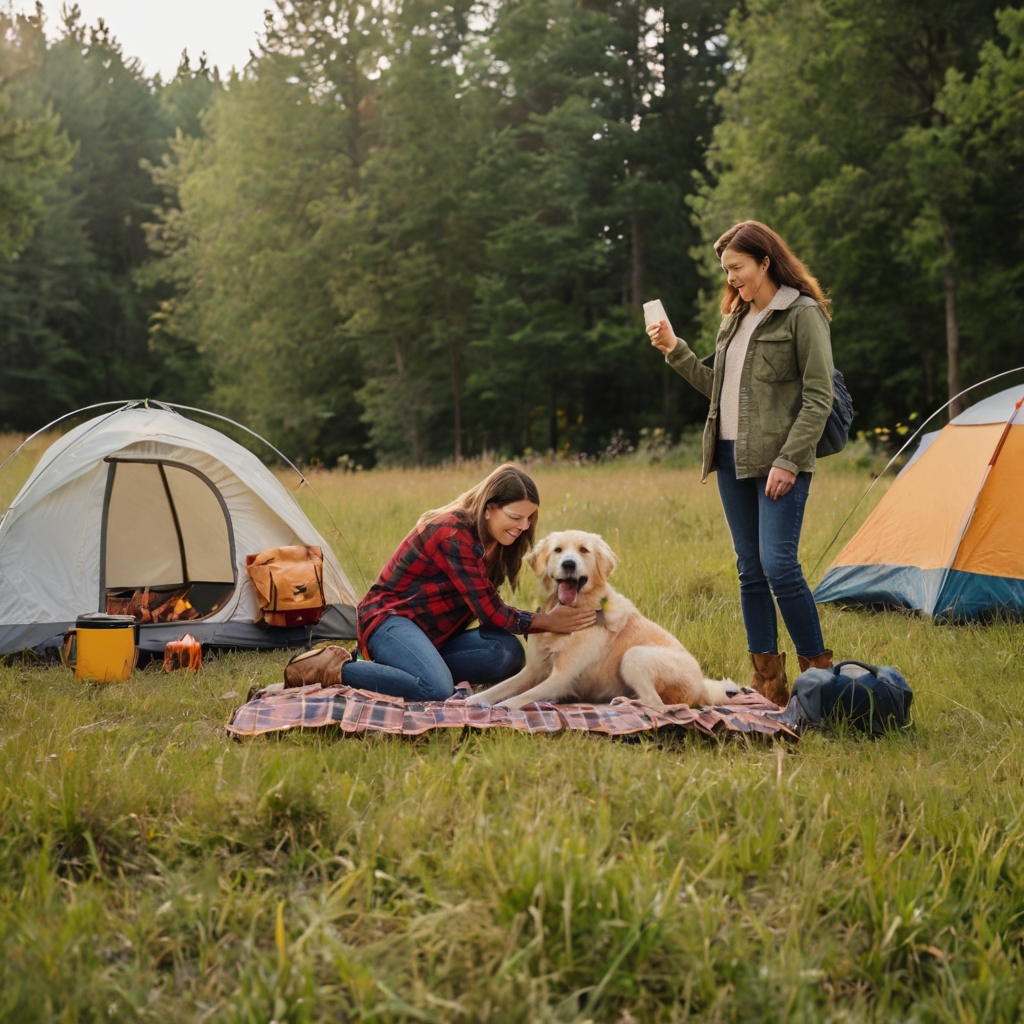
Camping with your pet in the Dorchester surrounds can be a wonderful experience, creating unforgettable memories and strengthening your bond. However, ensuring your pet’s safety and comfort requires some preparation and the right gear. In this article, we’ll list essential camping gear for pets and provide practical advice for keeping them safe and happy during your outdoor adventures in the Dorset countryside.
Essential Camping Gear for Pets
1. Durable Leash and Collar:
- Why You Need It: A sturdy leash and collar with updated ID tags are essential for controlling your pet and ensuring their safety.
- Tip: Consider a reflective or LED collar for visibility during night walks.
2. Harness:
- Why You Need It: A harness provides better control and reduces strain on your pet’s neck.
- Tip: Use a harness designed for outdoor activities with additional attachment points for safety.
3. Portable Crate or Travel Bed:
- Why You Need It: A portable crate or travel bed gives your pet a familiar and secure place to rest.
- Tip: Choose a crate that is easy to fold and transport, or a bed with a waterproof base.
4. Collapsible Food and Water Bowls:
- Why You Need It: These bowls are convenient for feeding and hydrating your pet on the go.
- Tip: Look for BPA-free and dishwasher-safe options.
5. Pet-Safe Insect Repellent:
- Why You Need It: Protect your pet from ticks, fleas, and mosquitoes.
- Tip: Use products specifically formulated for pets, as human insect repellents can be toxic to them.
6. First Aid Kit:
- Why You Need It: A pet-specific first aid kit is crucial for handling minor injuries and emergencies.
- Tip: Include bandages, antiseptic wipes, tweezers, and any medications your pet may need.
7. Waste Bags:
- Why You Need It: Always clean up after your pet to maintain a clean campsite and protect the environment.
- Tip: Biodegradable waste bags are an eco-friendly choice.
8. Reflective Vest or Bandana:
- Why You Need It: Enhances your pet’s visibility during early morning or evening walks.
- Tip: Choose a vest or bandana that fits comfortably and doesn’t restrict movement.
9. Pet Jacket or Sweater:
- Why You Need It: Provides warmth in cooler weather and protects short-haired or small breeds.
- Tip: Make sure the jacket is weather-resistant and properly sized for your pet.
10. Pet-Friendly Sunscreen:
- Why You Need It: Protects your pet’s skin from harmful UV rays, especially if they have short fur or exposed skin.
- Tip: Apply sunscreen to sensitive areas like the nose, ears, and belly.
Practical Tips for Pet-Friendly Camping
1. Choose the Right Campsite:
- Tip: Look for pet-friendly campgrounds that offer amenities like pet waste stations, designated pet areas, and pet-friendly trails. Ensure the site is safe and free from potential hazards.
2. Keep Your Pet Leashed:
- Tip: Even if your pet is well-trained, keeping them on a leash helps protect them from wildlife, other campers, and potential dangers like roads and bodies of water.
3. Hydration is Key:
- Tip: Always carry enough water for both you and your pet. Monitor your pet’s water intake to prevent dehydration, especially in hot weather.
4. Watch the Weather:
- Tip: Check the weather forecast before your trip and prepare for sudden changes. Bring appropriate gear to protect your pet from heat, cold, and rain.
5. Create a Safe Sleeping Area:
- Tip: Set up a comfortable sleeping area inside your tent or in a designated pet tent. Ensure it’s free from drafts and provides adequate cushioning.
6. Keep Food Secure:
- Tip: Store pet food in airtight containers to prevent attracting wildlife. Feed your pet away from your sleeping area to avoid unwanted visitors.
7. Practice Good Trail Etiquette:
- Tip: When hiking, keep your pet on a leash and yield to other hikers and animals. Pack out all waste and leave no trace.
8. Acclimate Your Pet:
- Tip: Before your trip, expose your pet to camping gear like tents and sleeping bags in your backyard. Take short hikes to build their endurance and familiarity with outdoor environments.
9. Monitor for Signs of Stress:
- Tip: Watch for signs of stress or discomfort, such as excessive panting, whining, or restlessness. Provide reassurance and take breaks as needed.
10. Plan for Emergencies:
- Tip: Know the location of the nearest veterinary clinic and carry contact information for emergency services. Have a plan in case of unexpected events.
Conclusion
Camping with your pet can be a delightful experience with the right preparation and gear. By following these tips and ensuring you have all the essential equipment, you can create a safe, comfortable, and enjoyable outdoor adventure for you and your furry friend. Happy camping!
 Paws & Paths, Dorchester